Wood Pelleting Machine

Wood Pelleting Machine | Wood Pellet Machine | Biomass Pellet Machine | Wood Pelletizer | Biomass Pelleting Equipment
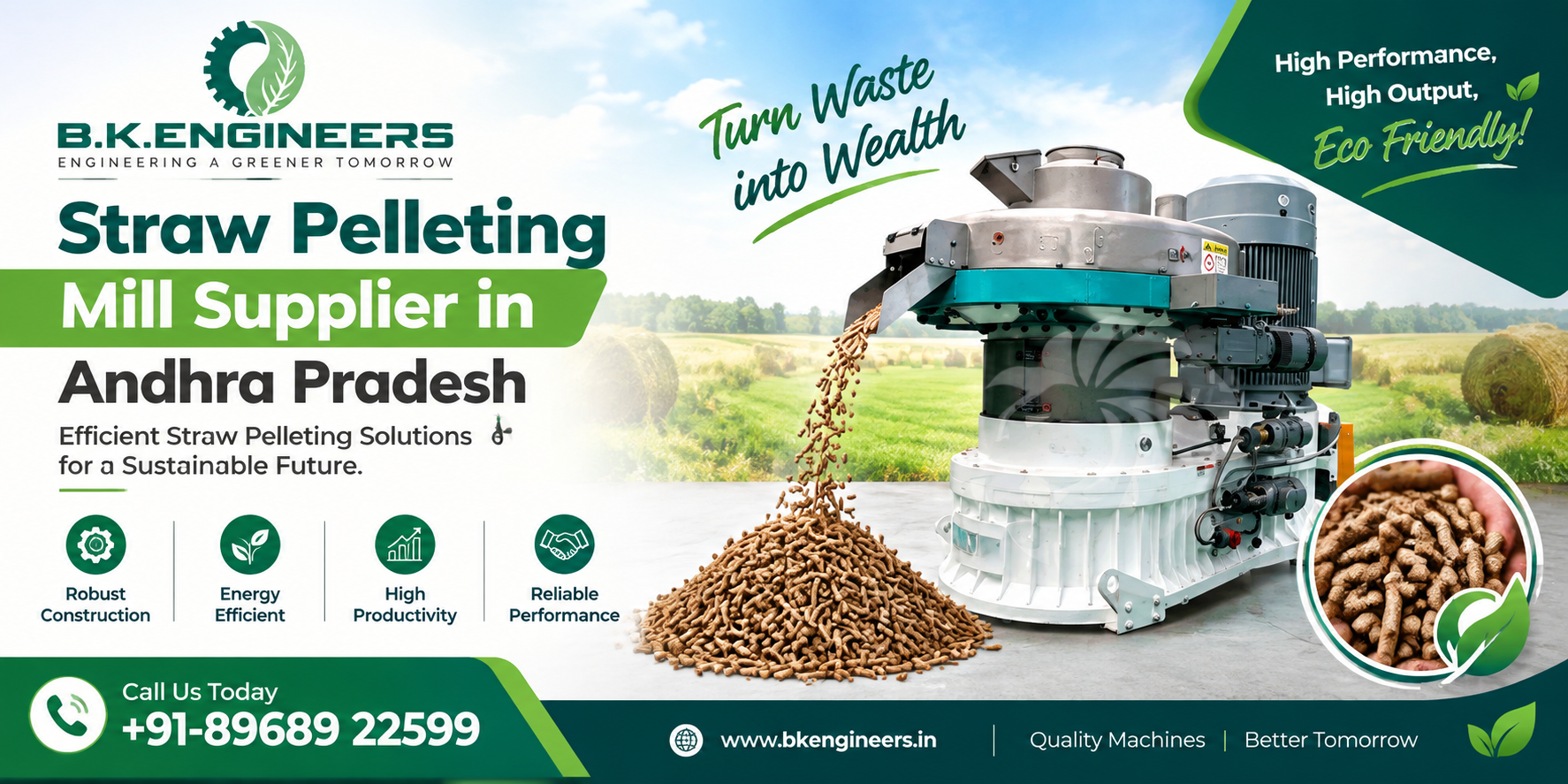
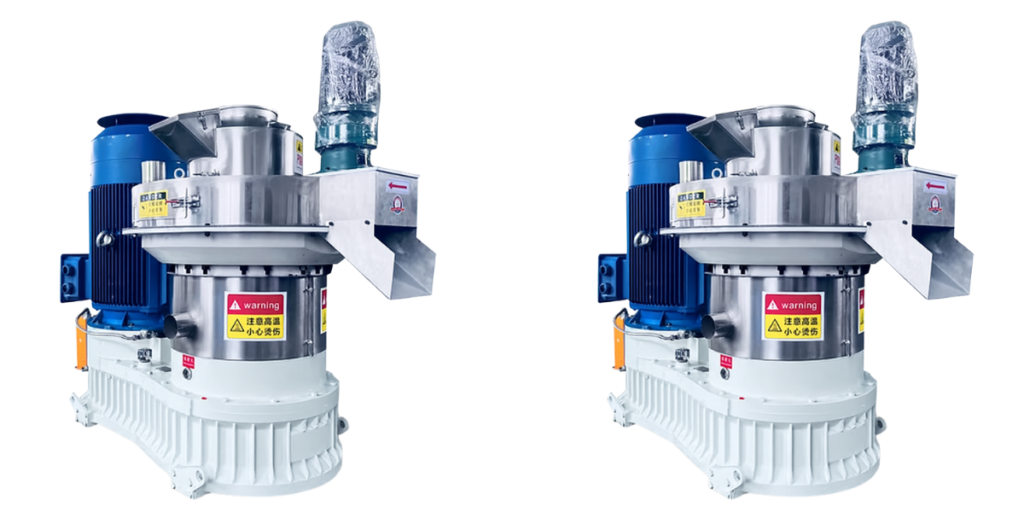
A Wood Pelleting Machine is an advanced industrial system designed to convert wood waste and biomass materials into dense, uniform pellets used as a sustainable fuel source. These machines play a crucial role in the global shift toward renewable energy, helping industries transform raw wood residues such as sawdust, wood chips, and agro-waste into high-value biomass pellets.
With increasing demand for clean energy and cost-effective fuel alternatives, the Pellet Machine has become an essential asset for manufacturers, exporters, power plants, and biomass processing units. It offers a reliable solution for waste utilization, energy efficiency, and reduced carbon emissions—making it a smart investment for modern industries.
Working Principle of a Wood Pelleting Machine
The working process of a Pellet Manufacturing Machine is straightforward yet highly efficient:
- Raw Material Preparation
Wood waste such as sawdust, shavings, or agricultural residue is collected and dried to achieve the ideal moisture content. - Feeding System
The prepared material is fed into the pelletizer through a controlled feeding mechanism. - Compression & Extrusion
Inside the machine, rotating rollers press the biomass against a die under high pressure and temperature. Natural lignin in the acts as a binding agent. - Pellet Formation
The compressed material is extruded through die holes, forming uniform cylindrical pellets. - Cooling & Packaging
Hot pellets are cooled, hardened, and ready for storage or transportation.
This efficient process makes the Biomass Pellet Machine suitable for continuous industrial operations.
Types of Wood Pelleting Machines
Flat Die Wood Pellet Machine
Ideal for small to medium-scale operations, this type is cost-effective and easy to operate. It is commonly used in small biomass plants and workshops.
Ring Die Wood Pelleting Machine
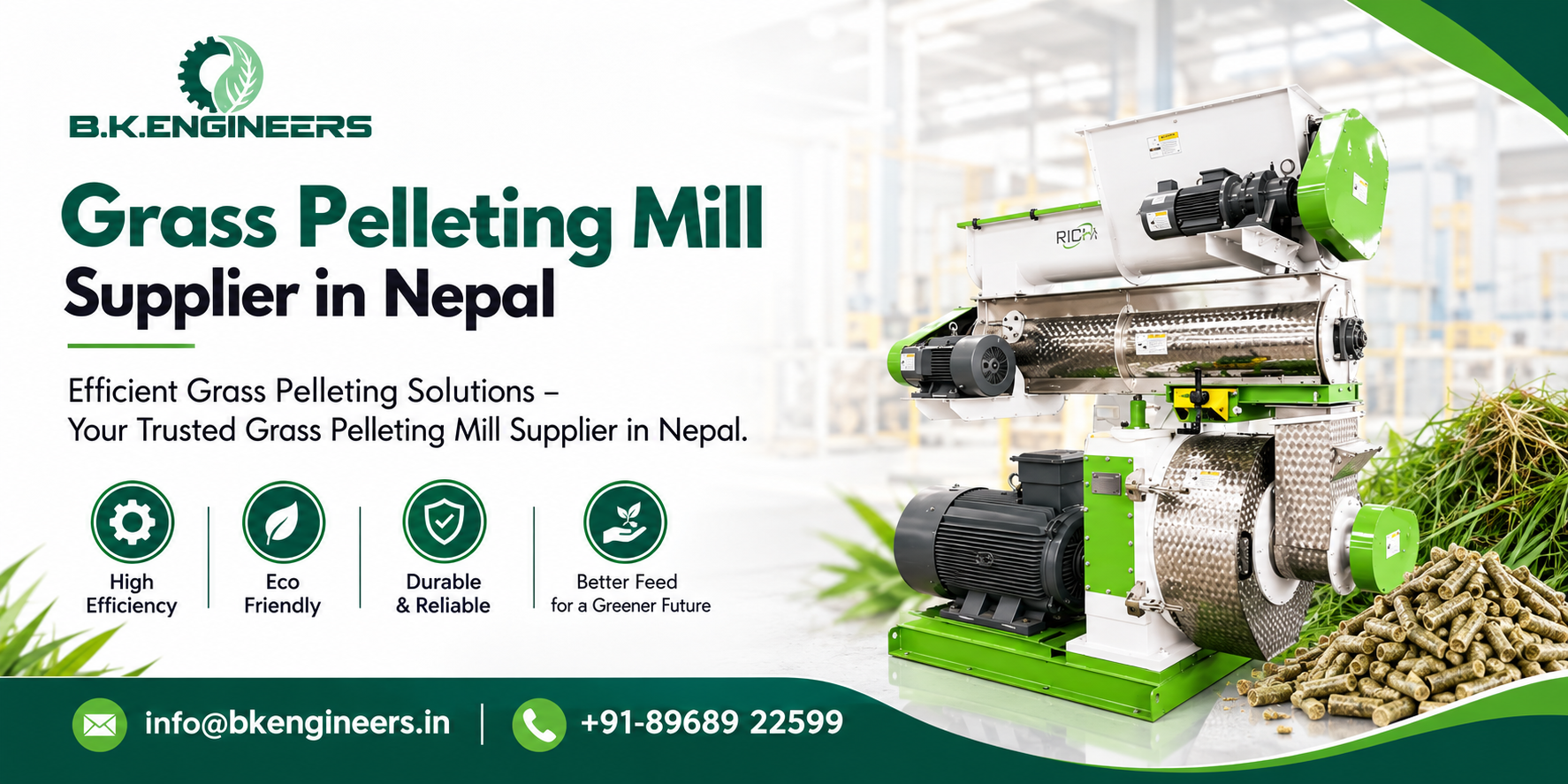
Designed for large-scale industrial use, ring die machines offer higher output, longer lifespan, and consistent pellet quality. They are widely used in commercial biomass plants.
Industrial Biomass Pelleting Equipment
These heavy-duty systems are integrated with conveyors, dryers, and coolers for fully automated pellet production lines.
Key Features and Technical Advantages
A modern Pelletizer offers several technical benefits:
- High-density pellet output
- Energy-efficient motor design
- Robust alloy steel die and roller system
- Low operational noise and vibration
- Adjustable pellet size and capacity
- Continuous operation capability
- Minimal material wastage
These features ensure long-term reliability, reduced downtime, and superior pellet quality.
Benefits of Wood Pelleting Machines for Biomass & Renewable Energy
Supports Renewable Energy Goals
The Renewable Energy Pellet Machine enables industries to produce eco-friendly fuel, reducing dependency on fossil fuels.
Cost-Effective Fuel Production
Wood pellets offer higher calorific value and lower transportation costs compared to raw biomass.
Waste-to-Energy Solution
Wood waste, agro-residue, and sawmill by-products are efficiently converted into usable energy.
Lower Carbon Footprint
Pellets produce significantly fewer emissions, supporting sustainability and environmental compliance.
Industrial Applications of Wood Pelleting Machines
A Wood Pelleting Machine is widely used across industries, including:
- Biomass power plants
- Renewable energy facilities
- Sawmills and wood processing units
- Agro-waste recycling plants
- Industrial boilers and furnaces
- Pellet export businesses
- Animal bedding pellet production
- District heating systems
Its versatility makes it an essential component in modern industrial energy infrastructure.
Why Choose a Wood Pelleting Machine for Sustainable Fuel Production?
Investing in a Biomass Pelleting Equipment system is not just about machinery—it’s about future-ready energy production.
- Consistent pellet quality for global standards
- Scalability for growing energy demands
- Compliance with international biomass norms
- High ROI for manufacturers and exporters
- Reduced operational and fuel costs
For industries focusing on sustainability, energy independence, and profitability, a Pellet Manufacturing Machine is a strategic choice.
Maintenance Tips for Long-Term Operational Efficiency
Proper maintenance ensures maximum performance and extended machine life:
- Regular lubrication of bearings and rollers
- Periodic inspection of die and roller wear
- Maintain correct moisture levels in raw material
- Clean feeding and discharge systems regularly
- Monitor motor load and temperature
- Replace worn parts with genuine components
Routine care minimizes downtime and ensures consistent pellet output.
Buying Guide: Factors to Consider Before Purchasing a Wood Pelleting Machine
Before investing in a Pellet Machine, consider the following:
Production Capacity
Choose a machine based on daily or hourly pellet output requirements.
Raw Material Compatibility
Ensure the machine supports waste, biomass, and agro-residue types you plan to use.
Energy Consumption
Look for energy-efficient models to reduce operational costs.
Build Quality
Heavy-duty construction and premium-grade components ensure durability.
Automation Level
Fully automated systems improve productivity and reduce labor dependency.
After-Sales Support
Reliable service, spare parts availability, and technical support are critical.
Export & Compliance Standards
If targeting international markets, ensure the machine meets global quality and safety standards.
Frequently Asked Questions (FAQs)
1. What is a Wood Pelleting Machine used for?
A Wood Pellet Machine is used to convert wood waste, sawdust, agro-residue, and biomass materials into compact pellets. These pellets are widely used as renewable fuel in biomass power plants, industrial boilers, heating systems, and for export purposes.
2. What raw materials can be used in a Wood Pellet Machine?
A Wood Pellet Machine can process a wide range of raw materials, including:
- Sawdust
- Wood chips
- Wood shavings
- Agricultural waste
- Rice husk
- Bagasse
- Groundnut shells
- Bamboo waste
Proper moisture control ensures better pellet quality and machine efficiency.
3. How does a Biomass Pellet Machine work?
A Biomass Pellet Machine works by compressing biomass material under high pressure through a die and roller system. The natural lignin present in wood acts as a binder, forming solid, durable pellets without the need for chemical additives.
Conclusion
A Wood Pellet Machine is more than just industrial equipment—it is a long-term solution for sustainable fuel production, waste management, and renewable energy growth. With its robust design, efficient operation, and eco-friendly output, it empowers industries to achieve energy efficiency while contributing to environmental responsibility.
Whether you are a manufacturer, exporter, or biomass plant operator, investing in a high-quality Pelletizer ensures reliability, consistent performance, and strong returns over time. As global demand for clean energy continues to rise, choosing the right Biomass Pellet Machine positions your business for long-term success, trust, and sustainability.