October 7, 2026
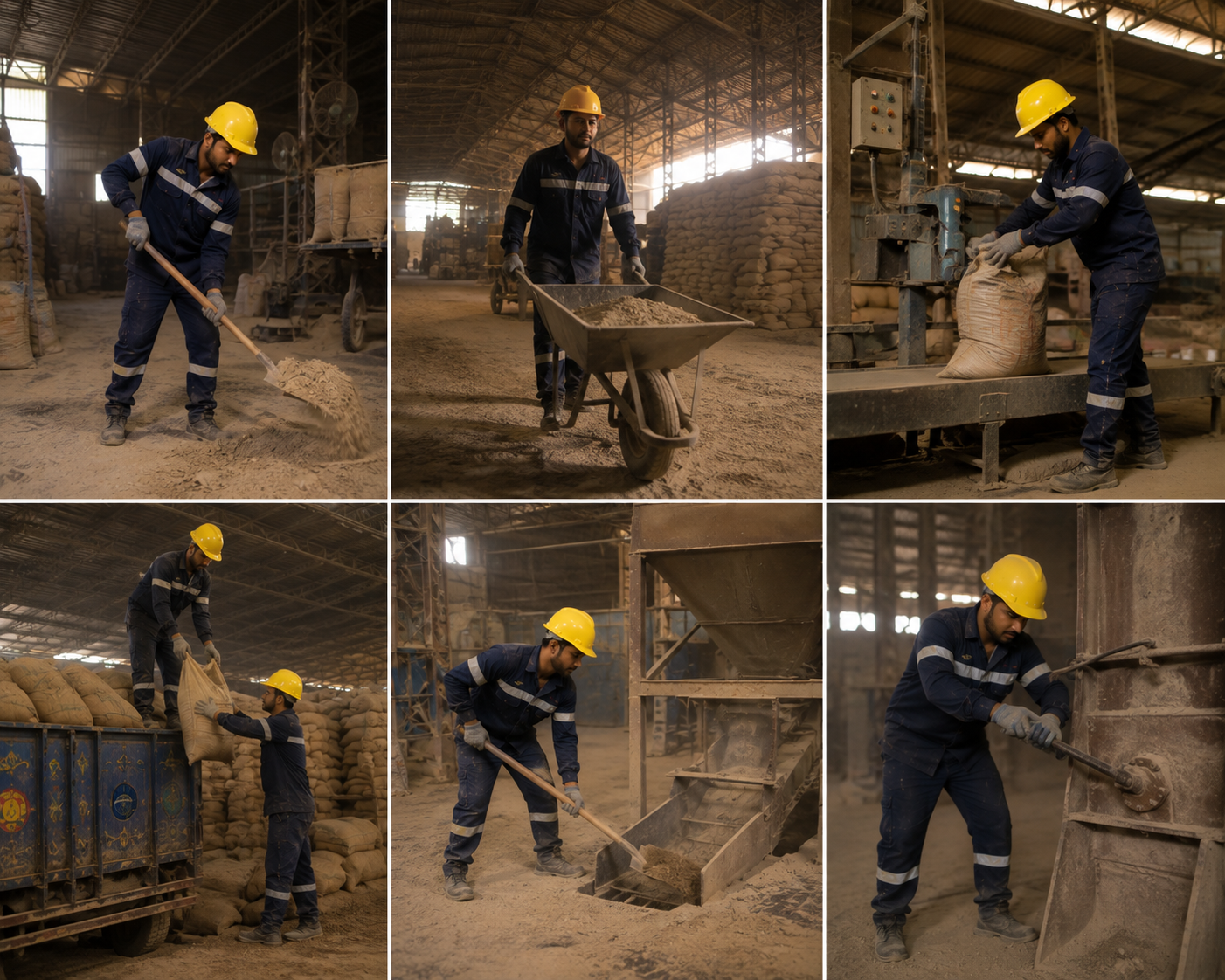
BK Engineers provides efficient raw material intake solutions designed to ensure the safe, clean, and controlled receiving of raw materials at the feed manufacturing facility — the first and one of the most important stages in a modern feed mill.
Complete Intake Systems
Turnkey receiving solutions
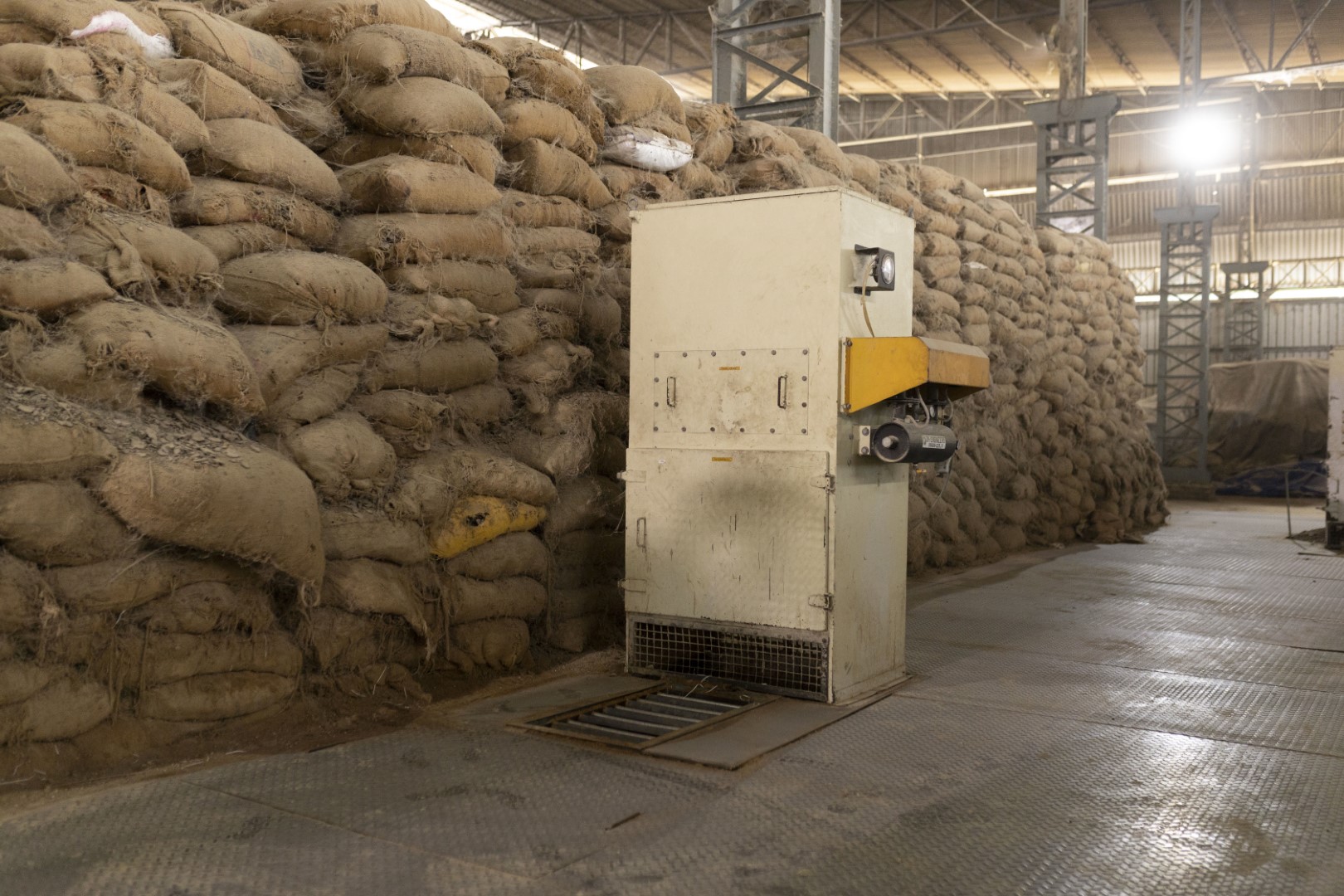
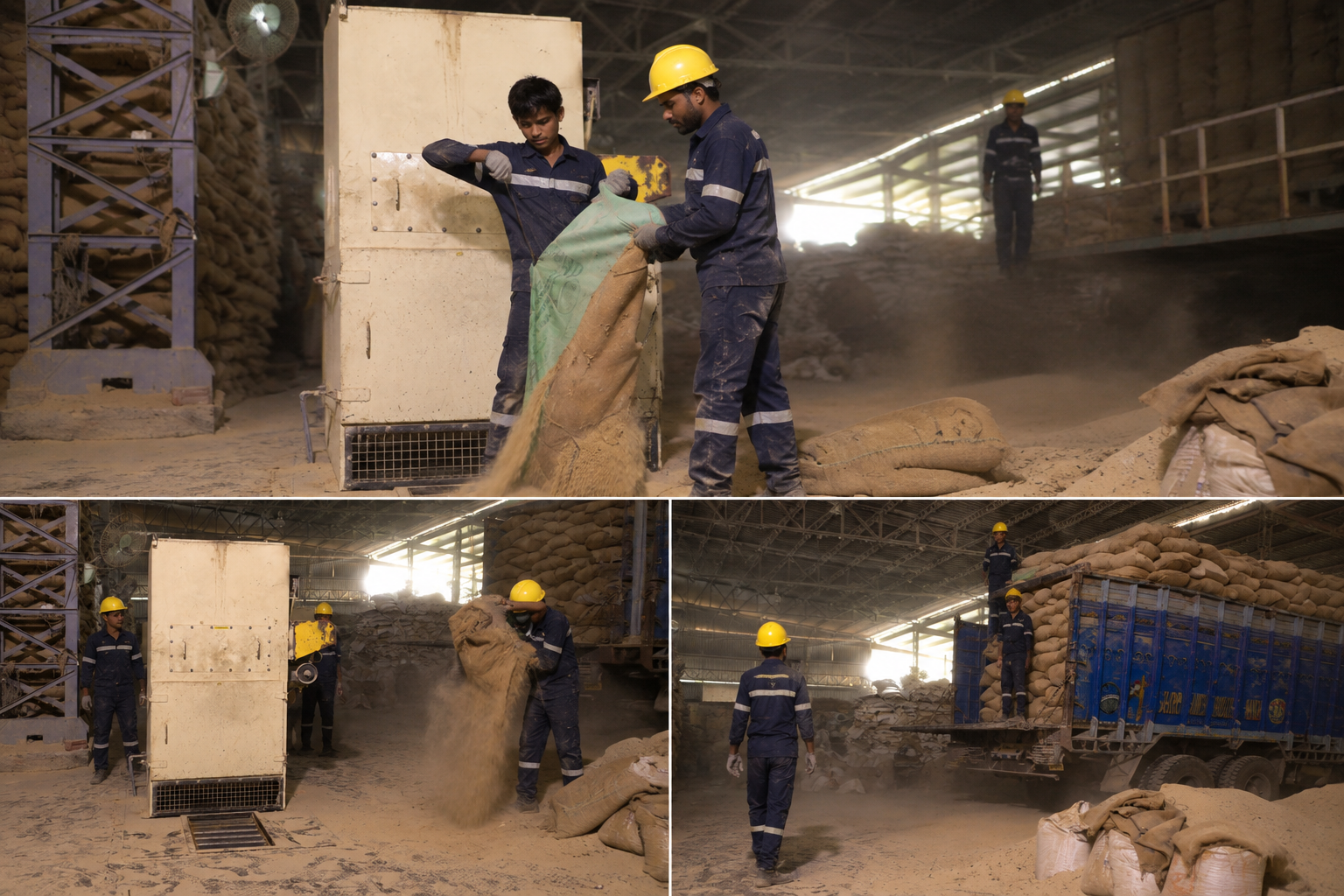
Raw materials delivered to the mill are discharged into the intake pit, where an effective aspiration and filtration system helps control dust generated during unloading. Intake pit filters continuously draw dusty air through filter bags using a fan, capturing airborne particles and maintaining a cleaner working environment. The collected dust is periodically removed from the filter bags through pulse-jet compressed air cleaning and returned to the intake pit for efficient material recovery.
After intake, the raw materials are transferred from the pit through screw conveyors and belt conveyors to bucket elevators or other conveying systems. Before entering storage and processing sections, the materials pass through magnetic separators and drum sieves to remove metallic particles, oversized materials, and other unwanted foreign matter — after which they are conveyed to the dosing silos, ready for accurate batching and further feed production processes.
56+
Years building feed machinery
Smooth, efficient receiving and discharge of raw materials at the intake pit.
Intake pit designed for controlled, steady flow of incoming raw materials.
Continuous filtration keeps dust under control and the work area cleaner.
Compressed-air pulse-jet cleaning recovers dust efficiently back into the pit.
Reliable conveying systems move material onward to elevators with minimal loss.
Removes metallic contaminants before materials enter storage or processing.
Screens out oversized materials and other unwanted foreign matter.
Cleaned, separated materials are conveyed directly to dosing silos for batching.
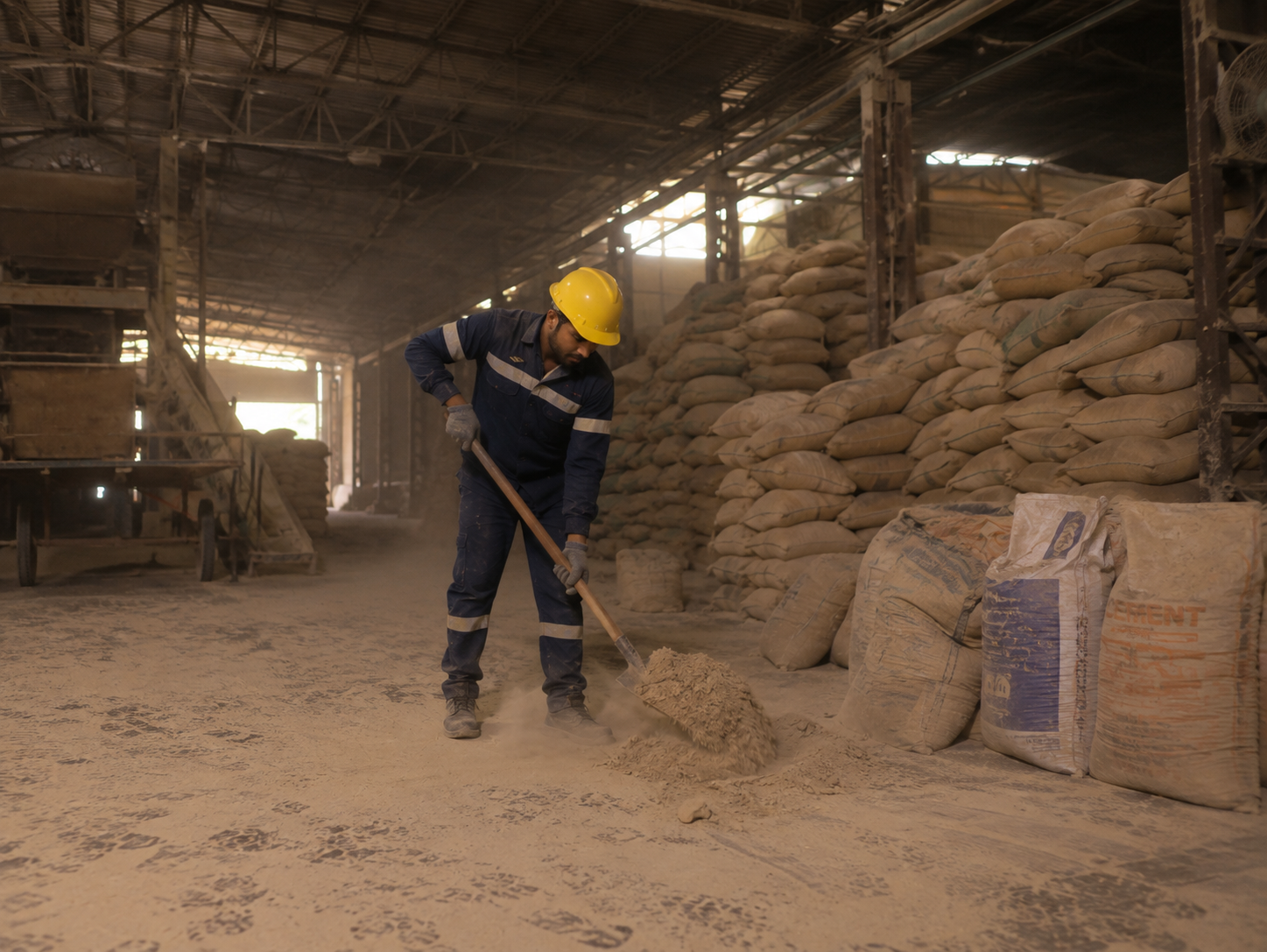
Hygienic, organized material handling suitable for complete feed mill integration — from intake through to dosing, designed around plant layout, material characteristics and required capacity.
56+
Years Experience
306+
Employees
<1 hr
Response Time
80%
Repeat Business
A properly designed intake system helps reduce dust, minimize material losses, remove unwanted contaminants, and ensure smooth movement of raw materials into the feed production process. BK Engineers designs raw material intake solutions according to the plant layout, material characteristics, required capacity, and overall feed mill configuration.
Answers to the questions we hear most often from feed manufacturers planning a raw material intake and handling system.
A raw material intake system is the equipment and setup used to receive incoming raw materials at a feed mill — discharging them into an intake pit, controlling dust, and conveying them onward for cleaning, separation and storage.
It is the first stage of feed production. A properly designed intake system ensures safe, clean and controlled receiving of raw materials, reducing dust, material losses and contamination before processing begins.
An intake pit aspiration and filtration system draws dusty air through filter bags using a fan. Collected dust is periodically cleaned from the bags using pulse-jet compressed air and returned to the intake pit for material recovery.
From the intake pit, materials are transferred through screw conveyors and belt conveyors to bucket elevators or other conveying systems for onward movement to storage and processing sections.
Before entering storage and processing, materials pass through magnetic separators to remove metallic particles and drum sieves to remove oversized materials and other unwanted foreign matter.
Cleaned and separated raw materials are conveyed to dosing silos, where they remain ready for accurate batching and further feed production processes.
Yes. BK Engineers designs raw material intake solutions according to the plant layout, material characteristics, required capacity, and overall feed mill configuration.
Yes. Raw material intake systems are designed to be suitable for complete feed mill integration, connecting smoothly with downstream conveying, cleaning, storage and dosing sections.
Yes. BK Engineers manufactures and exports raw material intake and handling machinery for feed mill customers in India and international markets.
BK Engineers focuses on efficient material receiving, effective dust control, hygienic handling, and reliable engineering support — designed around each plant's layout and capacity requirements.
Tell us about your plant layout, raw materials and required capacity. We customize the intake pit, aspiration, conveying and separation setup around your needs — press the button below to book a slot with our team.
Make Appointment