
October 7, 2026
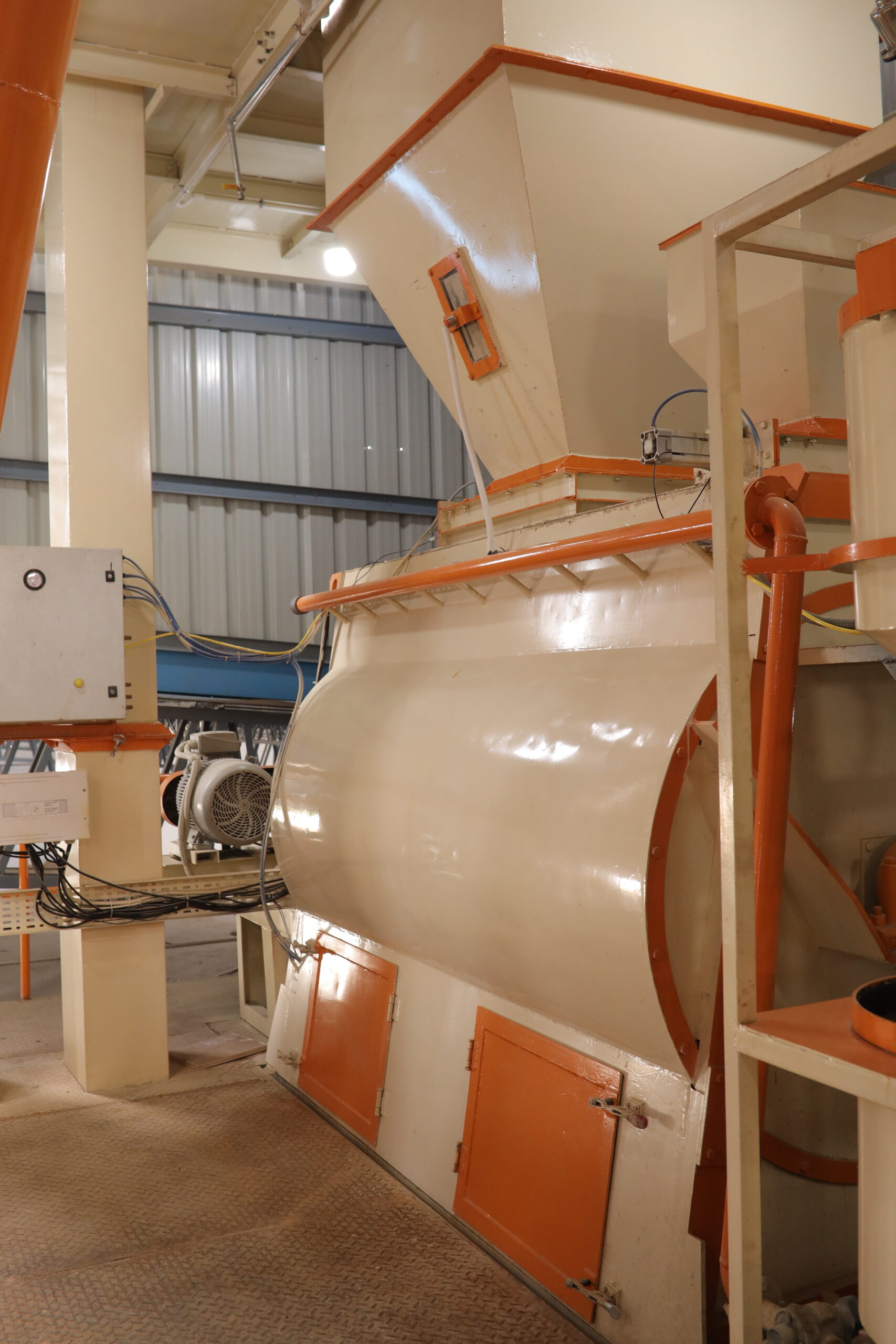
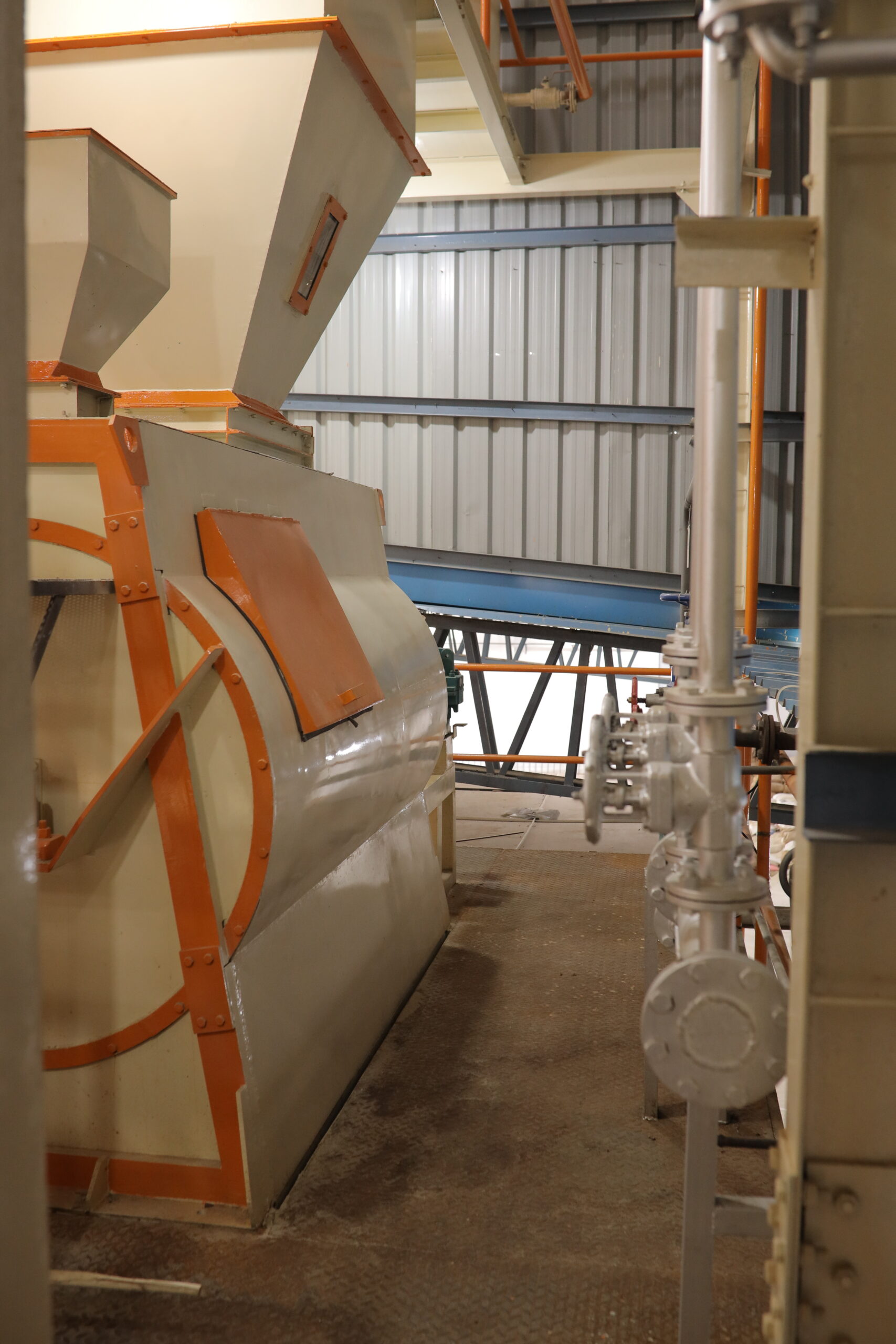
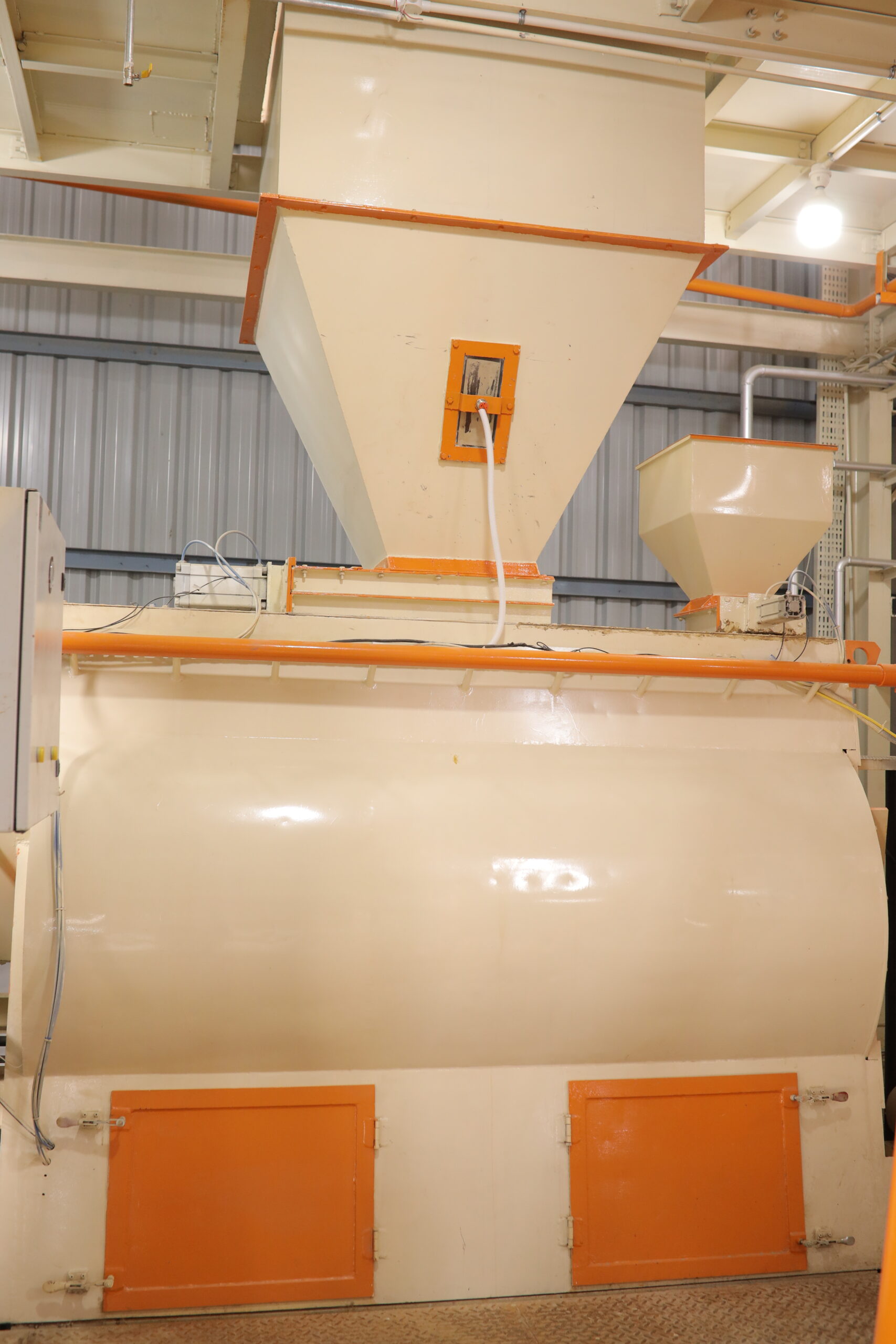
BK Engineers is a trusted Batch Mixer Manufacturer and Exporter, offering efficient and reliable mixing solutions for modern feed mills and processing plants — ensuring uniform distribution of ingredients, nutrients and additives throughout every batch.
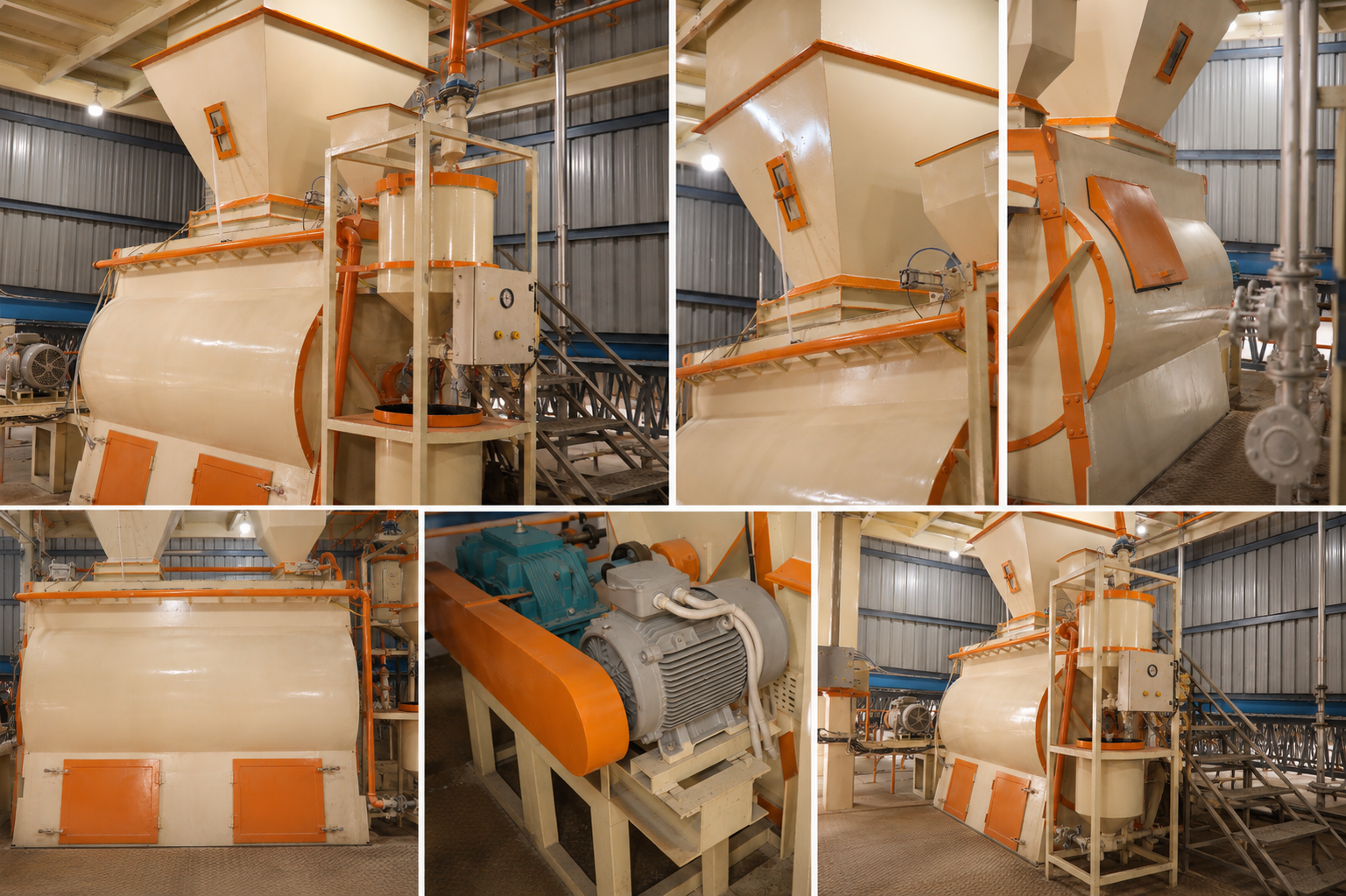
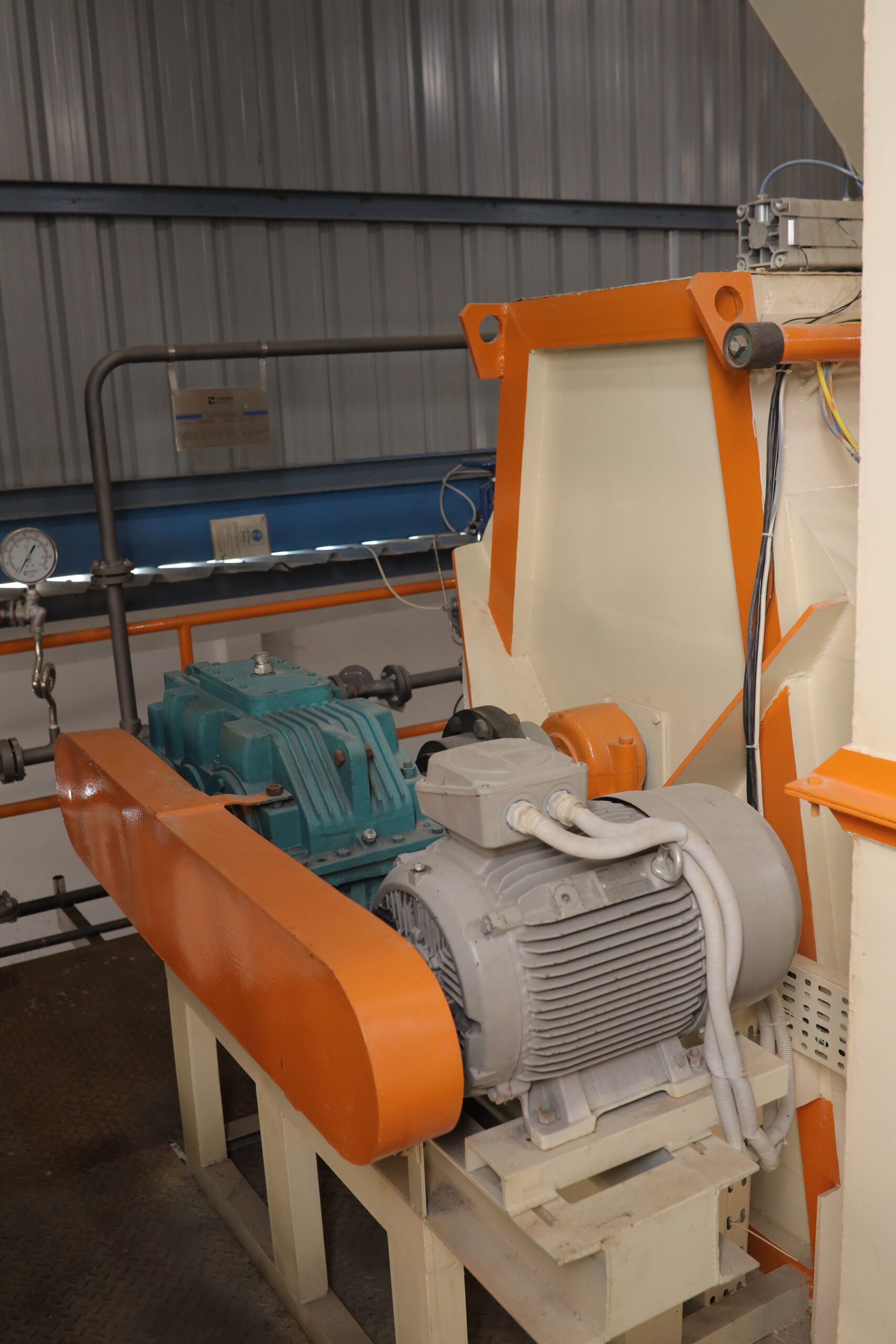
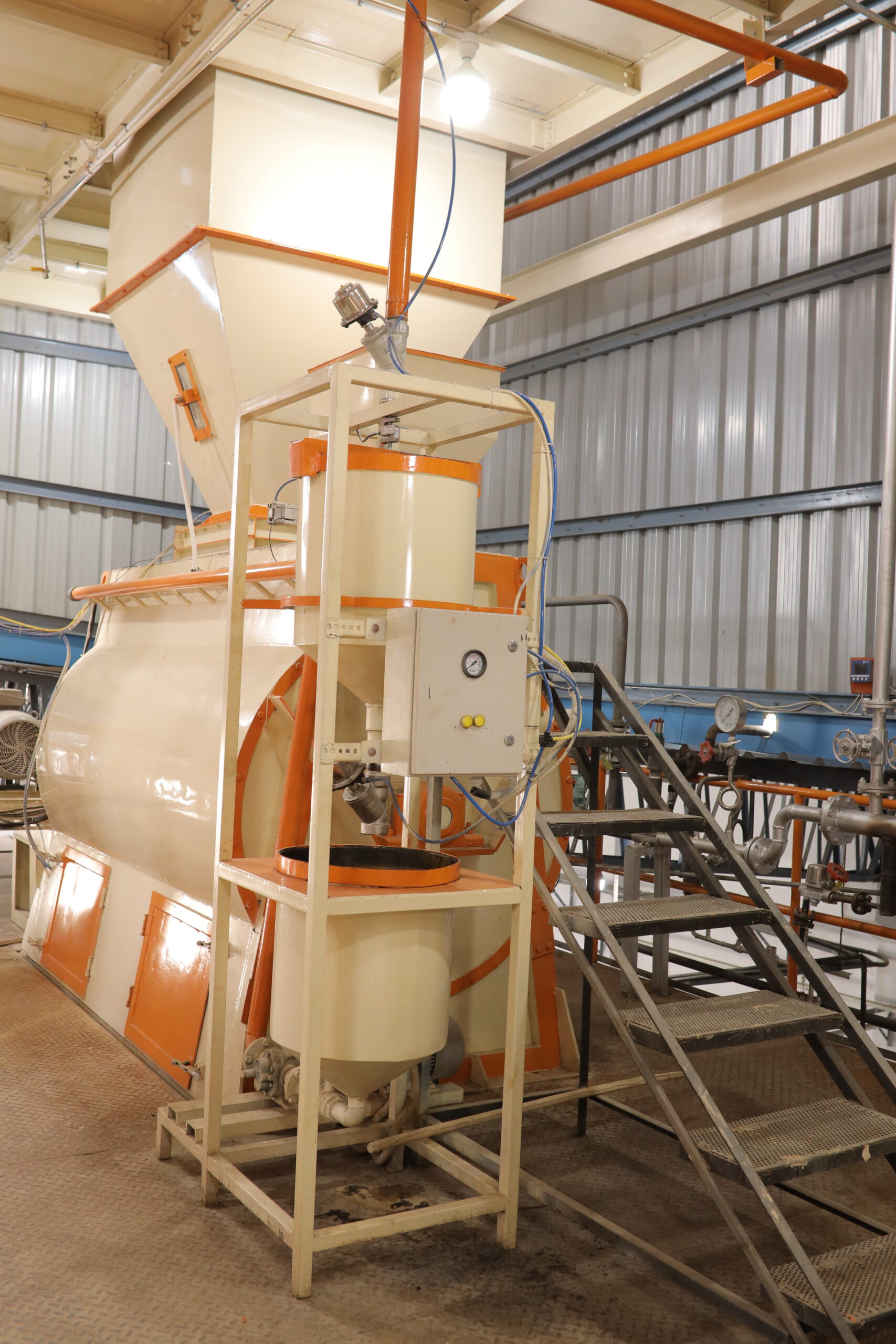
Engineered Batch Mixers
Single & Twin Shaft options
Mixing, also known as homogenization, is one of the most critical stages in feed production. It combines ingredients of different particle sizes, densities and quantities to create a consistent mixture, ensuring nutrients and additives are distributed evenly throughout the batch. A well-designed mixing process helps achieve a homogeneous feed mixture, which plays an important role in maintaining consistent pellet quality and overall production efficiency.
The required mixing performance depends on factors such as ingredient characteristics, formulation, batch size, mixing time, and the desired Coefficient of Variation (CV). BK Engineers provides engineered batch mixing solutions — designed to deliver efficient homogenization with optimized energy consumption — available in single shaft and twin shaft configurations to suit different formulation and throughput requirements.
56+
Years building feed machinery
Designed for efficient and uniform blending of feed ingredients within a controlled batch cycle. Suitable for a wide range of dry feed formulations and ingredient combinations.
Provides intensive mixing and efficient movement of ingredients throughout the mixing chamber. Supports fast and homogeneous blending for high-throughput feed production applications.
Effective homogenization of different feed ingredients.
Helps maintain batch-to-batch consistency across production runs.
Mixing cycles can be optimized according to formulation requirements.
Designed for reliable, continuous industrial feed production.
High-performance mixing with efficient power utilization.
Suitable for different feed formulations and production requirements.
Uniformly mixed material supports consistent downstream pelleting.
Built for continuous, demanding industrial operation.
Mixer configuration — paddle arrangement, shaft type, and batch capacity — can be selected according to plant requirements and integrated with complete feed mill systems.
56+
Years Experience
306+
Employees
<1 hr
Response Time
80%
Repeat Business
With suitable mixer configurations and advanced engineering, BK Engineers helps feed manufacturers achieve the required mixing quality and CV value while maintaining efficient production across a wide range of feed manufacturing facilities.
Answers to the questions we hear most often from feed manufacturers planning a batch mixing system.
A Batch Mixer is industrial mixing equipment used to combine measured quantities of different ingredients into a homogeneous mixture before further processing.
Mixing ensures that different ingredients, nutrients, minerals, and additives are distributed uniformly throughout the feed formulation.
Homogenization is the process of evenly distributing different ingredients throughout a mixture to achieve consistent composition and quality.
Mixing quality can depend on ingredient characteristics, particle size, formulation, mixer design, mixing time, batch size, and mixer configuration.
CV, or Coefficient of Variation, is commonly used to evaluate the uniformity of a mixture. A lower CV generally indicates better mixing uniformity.
BK Engineers provides batch mixing solutions with different configurations, including single shaft and twin shaft options, based on shaft arrangement, paddle design, capacity, and application requirements.
Mixing time varies according to the formulation, raw materials, mixer design, batch size, and required mixing quality. The process can be optimized according to specific production requirements.
Yes. Batch mixers can be designed to process a wide range of dry feed ingredients and formulations, subject to their specific physical characteristics and application requirements.
Yes. BK Engineers can provide mixing solutions based on production capacity, formulation requirements, mixer configuration, and plant layout.
Yes. Batch mixing systems can be integrated with dosing, grinding, conveying, conditioning, pelleting, cooling, screening, and packing systems to form a complete feed production line.
Yes. A homogeneous mixture helps provide more consistent material to downstream pelleting processes, which can support consistent pellet quality.
Yes. BK Engineers manufactures and exports batch mixing solutions for feed mills and processing facilities in domestic and international markets.
Tell us about your formulation, batch size and required CV value. We help you select the right single shaft or twin shaft mixer configuration for your plant — press the button below to book a slot with our team.
Make Appointment